
Trying to conceive can be an anxious time – and unfortunately the fertility industry can profit from your anxiety through selling items that aren’t actually necessary or, in some cases, helpful.
These are my top 5 money saving tips, which are backed by science, not marketing.
It is important to remember that getting pregnant can be quite simple. Humanity has managed it for thousands of years without magnesium gummies and other expensive additions…
Trying to conceive – tip one:
Avoid using ovulation sticks. If you have a regular cycle, you probably don’t need them. The egg lives for 24 hours, sperm live for four days. If you’re having regular sex from after your period until the next one, there will always be sperm ready in the tubes and in the womb to fertilise that egg when it is released at ovulation. If you’ve got very short cycles, then start having sex a little earlier within your cycle – perhaps even towards the end of your period.

Diet and fertility
Trying to conceive – tip two:
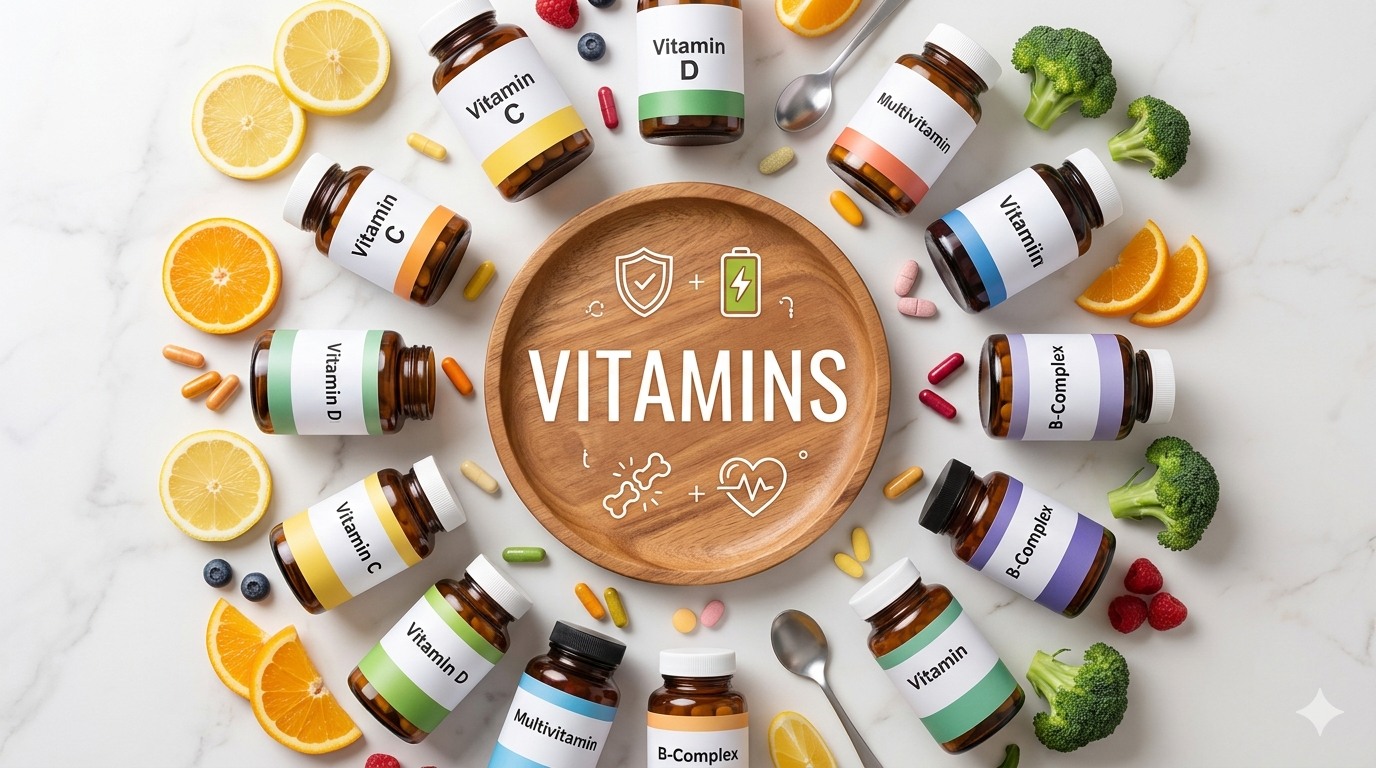
Avoid buying ‘designer’ preconception vitamins. You don’t need expensive multivitamins. What you actually need is folic acid, 400 micrograms a day (Some individuals, such as those with a BMI >30 or certain medical conditions, require higher doses of folic acid of 5mg and these will need to be prescribed – please speak to your GP about the right dose of Folic acid for you) and vitamin D, usually 400IU micrograms daily (again, please speak to your GP or specialist). And, unless you’re advised otherwise, that’s it!
With regards to folic acid, no, you do not require activated folate. Even people with MTHFR gene can process folic acid well enough to prevent neural tube defects (incorrect formation of the brain and spine) in the developing baby.
Trying to conceive – tip three:
You do not need to embark on expensive fertility diets. You don’t need expensive meal plans. Stick to whole, unprocessed foods. A simple Mediterranean style diet is ideal and your body knows what to do.
Tip four:
Don’t buy costly home insemination gadgets. Expensive £200 applicators hold no benefit over normal penetrative vaginal sex. If you can’t have penetrative intercourse, all you need is a clean pot and a clean 5ml syringe. This would provide the same outcome and cost far less.
Tip five:
As I started with, this can be an anxious time, but try not to panic if pregnancy doesn’t happen immediately. 85% of healthy couples conceive within 12 months and half of those that don’t, conceive in the following 12 months. If you’re not getting pregnant in the first few cycles, this can be completely normal.
That being said, if you’re over 36 and have not fallen pregnant after 6 months of trying to conceive, or after 12 months if you’re under 36, then I would recommend seeing an independent fertility specialist. (Of course, if either yourself or your partner have any medical conditions that might impact on conceiving, then you’ll need to seek advice sooner).
The specialist will carry out a thorough assessment of you both and work out if anything might be causing the delay in falling pregnant and whether anything needs to be done to help. Remember, even if you need to see a fertility specialist, it does not necessarily mean that you will need IVF.
And finally, give yourself time, reduce the pressure, do what humans have done for thousands of years without expensive intervention. And if it doesn’t happen, find a fertility clinician you trust and ask them for their advice.
As always, if you require any further advice, please do not hesitate to get in touch.





Leave A Comment