
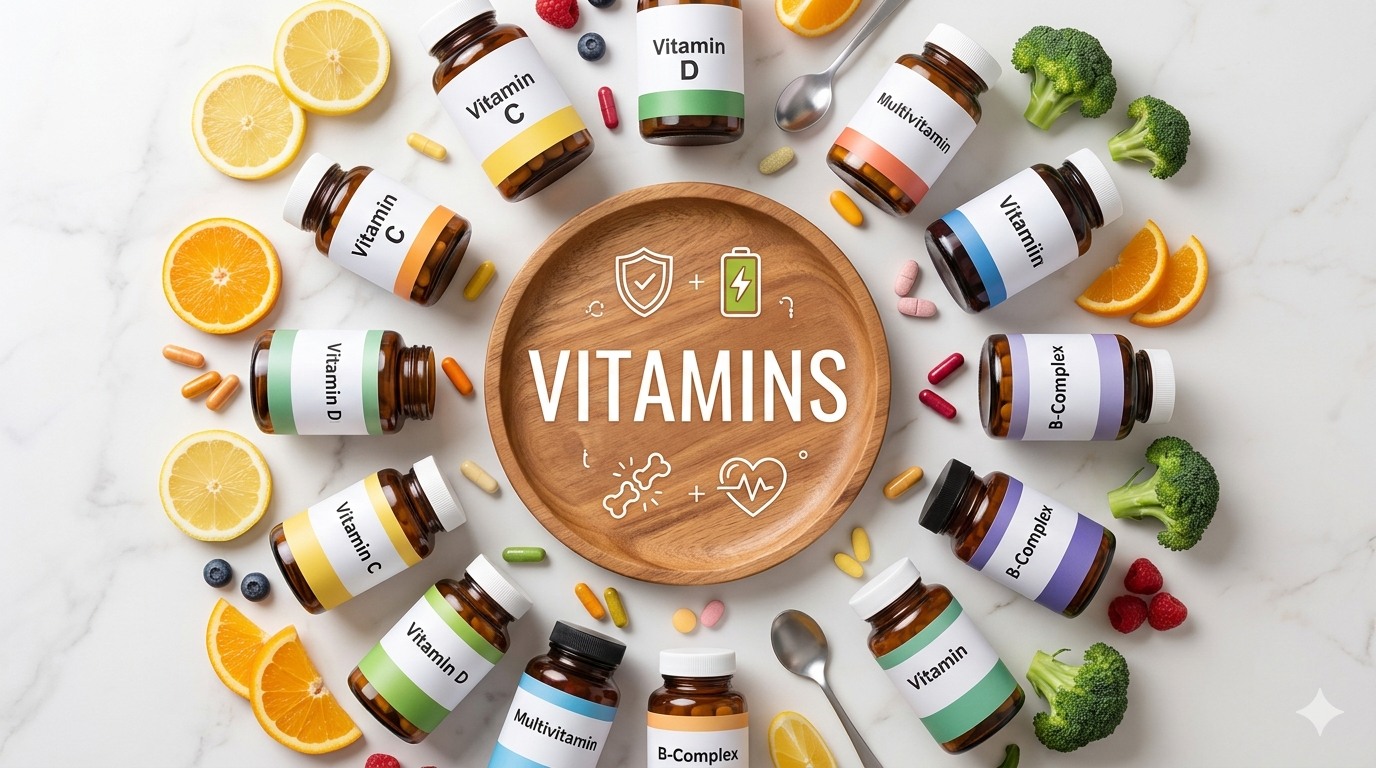
In this blog I discuss evidenced-based supplements that can help when trying to conceive, or if you’ve been struggling with miscarriages.

Vitamins in pregnancy
Please, always have a chat with your doctor before starting any supplements because everyone’s situation is different.
Important Preconception Supplements
There are two key supplements that I’d always want someone to be taking preconception because we probably don’t get enough of them in the diet. The first one is a vitamin called folic acid. It is really important that you have this before pregnancy, as it protects the baby’s spine as it’s developing. The usual dose is 400 micrograms, which you can buy over the counter, but if you’ve got a BMI over 30, diabetes, a history of pregnancy with neural tube defects in both the man or the woman, or you’re taking any medications, like those used in epilepsy or HIV medications, you might need five milligram dose (this needs to be prescribed by your doctor). You need to continue this dose until 12 weeks of pregnancy.
The next is vitamin D. Low levels are linked to fertility problems, low IVF success rates, and potentially pregnancy complications. We don’t get enough of it in the daytime from sunlight in the UK, therefore it is important that you take it by mouth – you only need to take 10 micrograms a day.
Those undergoing IVF who are perhaps in their late 30s, 40s, CoQ10 might be something to help improve egg quality.
What Vitamins Should You Avoid?
It is important not to take vitamin A or retinol as too much in pregnancy can harm the baby.
Supplement Summary
Unfortunately, there’s no magic bullet in terms of pregnancy vitamins. You don’t need to spend a fortune on them. The place to start is folic acid, vitamin D, and diet. So your five a day of fruit, vegetables, a healthy varied diet, and you’ll have everything you need.
Please do not hesitate to contact us should you have any questions, or want advice.



Leave A Comment