

I’ve had a few people ask about how to optimise sperm health for both conceiving naturally and before sterilisation reversal or IVF.
I think it’s really a good thing to talk about, as male infertility affects nearly half of all couples struggling to conceive. The good news is that many sperm-related issues are reversible with the right approach.
It is important to remember that sperm production takes about 74 days, so improvements require patience and consistency. The changes you make today will only improve the sperm produced in two to three months time.

Good Sperm Health. Tip 1:
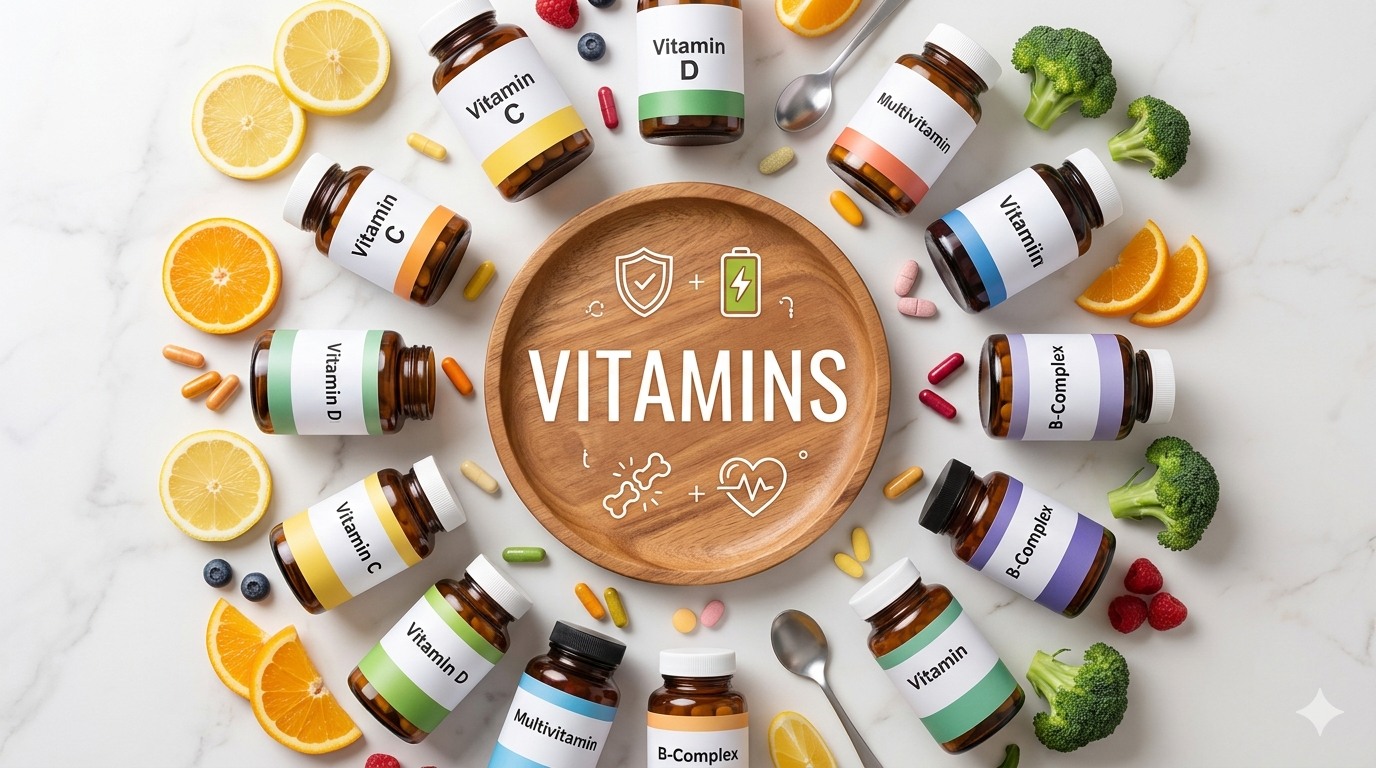
As with female infertility, this plays a crucial role. It’s important to maintain healthy weight, as obesity is linked to hormonal imbalances affecting sperm production. A helpful diet to focus on would be a Mediterranean type diet, full of foods rich in antioxidants (like vitamin C, vitamin E, zinc and selenium). These can combat oxidative stress that can damage sperm DNA. So, think about colourful vegetables, nuts and a weekly portion of fish, which is high in omega-3 fatty acids.
Sperm & Steroids. Tip 2:
Avoid anabolic steroids or testosterone replacement at all costs.
Sadly, in my practice I’m seeing more and more men with low counts or no sperm who’ve been using testosterone. Whilst testosterone helps build muscle, it can devastate testicular function by shutting down the body’s natural testosterone production, and this can lead to severely reduced or even zero sperm counts. The damage can sometimes be permanent, and taking things alongside steroids like HCG is not a guarantee the sperm will remain alright.
Sperm and Temperature. Tip 3:
Avoiding excessive heat exposure.
Keep scrotal temperature cool is important to maintain and maximise sperm health. I suggest limiting hot tubs, saunas, keeping laptops off your lap, and avoid tight underwear (as this can also elevate your scrotal temperature).
Lifestyle. Tip 4:
Lifestyle.
It is is also vital to limit your alcohol consumption and stop smoking (both of these significantly impair sperm quality). Regular exercise is very welcome, but overtraining can also be detrimental.
Good Sperm Health tip 5:
Finally, if you’ve been trying to conceive for over a year (or over six months if you’re over 35 years old), consider seeking a comprehensive fertility evaluation including a simple semen analysis.
Remember that improving and maintaining sperm health is a marathon, not a sprint, but is certainly worth it.
As always, please do not hesitate to get in touch if you’d like any help or advice.



Leave A Comment