
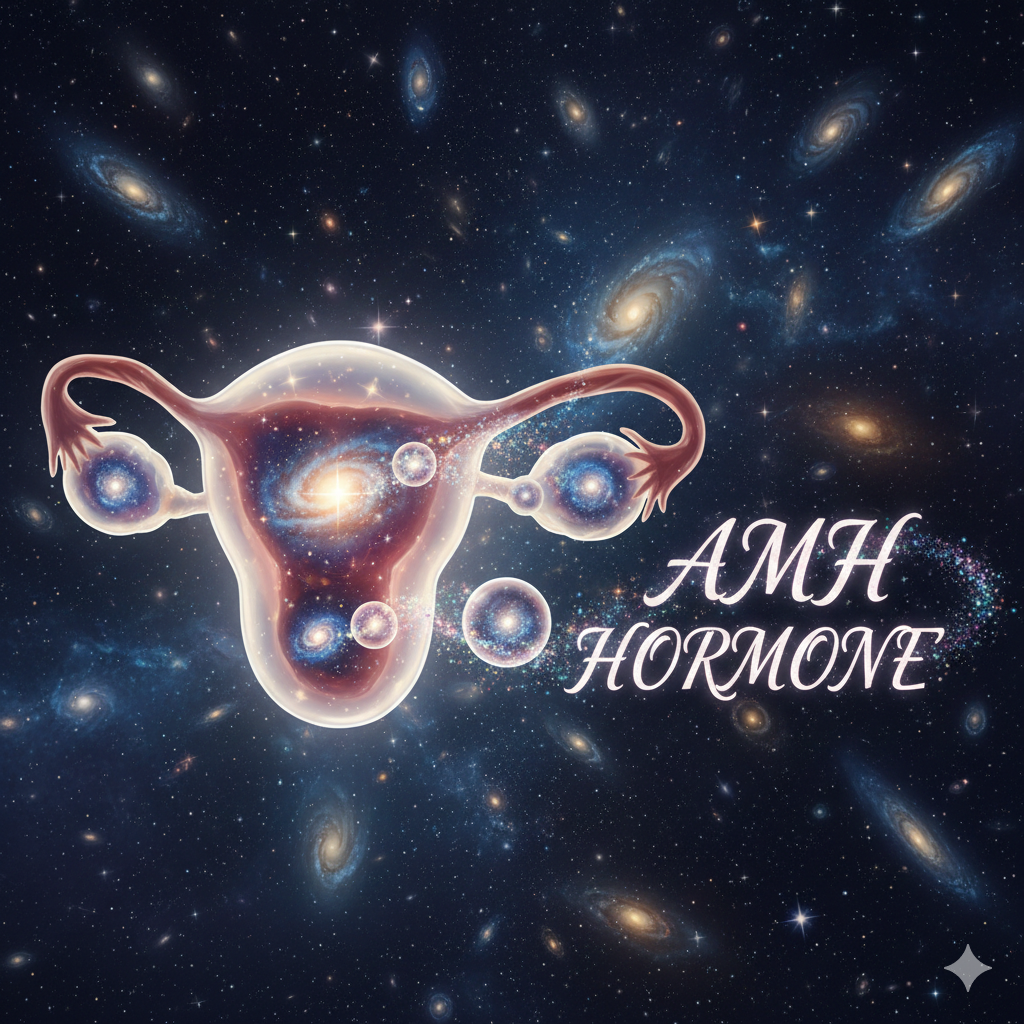
In this blog, I’m going to focus on AMH tests and whether they are useful when trying to conceive naturally after a female sterilisation reversal.
What is AMH (Anti-Mullerian Hormone)?
AMH is a hormone released by the pool of eggs remaining within the ovaries, that have not yet ovulated. The levels tell us about your current egg reserve, not the quality of the eggs, or when menopause will happen or what is going to happen to your eggs in the future.
When is the AMH level useful?
It’s primarily useful for IVF planning to determine medication dosing, choosing a protocol and predicting ovarian response.
It is likely that it will be tested if you’re considering egg freezing or undergoing fertility treatments like IVF.
When is it not helpful?
Here’s what most people don’t know – AMH does NOT predict your chances of conceiving naturally. Women with low levels can still get pregnant spontaneously, because you only need one good egg to be released in a cycle for a pregnancy to occur. Getting it tested often leads to unnecessary stress and treatments.
It also does NOT forecast your future fertility, since levels will not tell you when your menopause will occur or when you will stop being fertile.
Summary and advice
Save this test for when it actually matters. If you’re under trying to conceive naturally, the important things to focus on are regular intercourse throughout your cycle and ensuring both you and your partner have a health lifestyle (making changes to improve it if necessary).
If you don’t get pregnant after 12 months of trying, book to see a fertility specialist.
Please do not hesitate to contact us should you need any help or advice.



Leave A Comment